The Elite 0.14%: Why Finding a Licensed Drone Pilot Is Rare and Why You Can't Afford an Amateur
BY BRIAN LAYHEW
If you look at social media or walk into a big box store, it feels like everyone owns a drone. They are the hot gift for kids, the new toy for hobbyists, and the latest gadget for amateur photographers. But if you look at the actual numbers from the FAA, a very different picture starts to emerge.
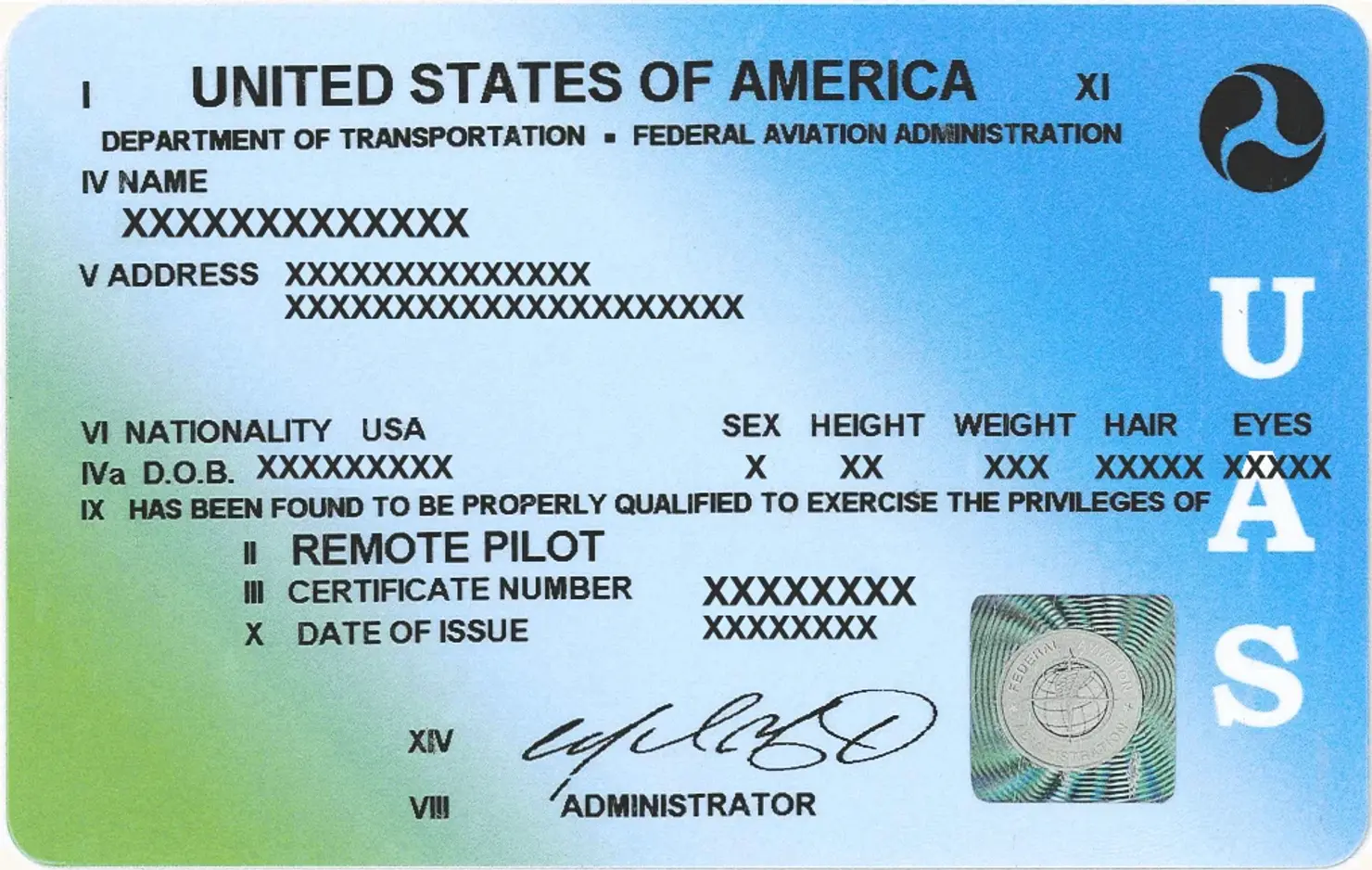
There are approximately 347 million people in the United States according to recent U.S. Census Bureau data. Now look at the FAA's "By the Numbers" drone statistics: as of the most recent data there are only about 492,311 active Remote Pilot Certificates (Part 107 holders) in the country.
That is about 0.14% of the population — only 1 in roughly 712 people you meet is legally allowed to fly a drone for money.
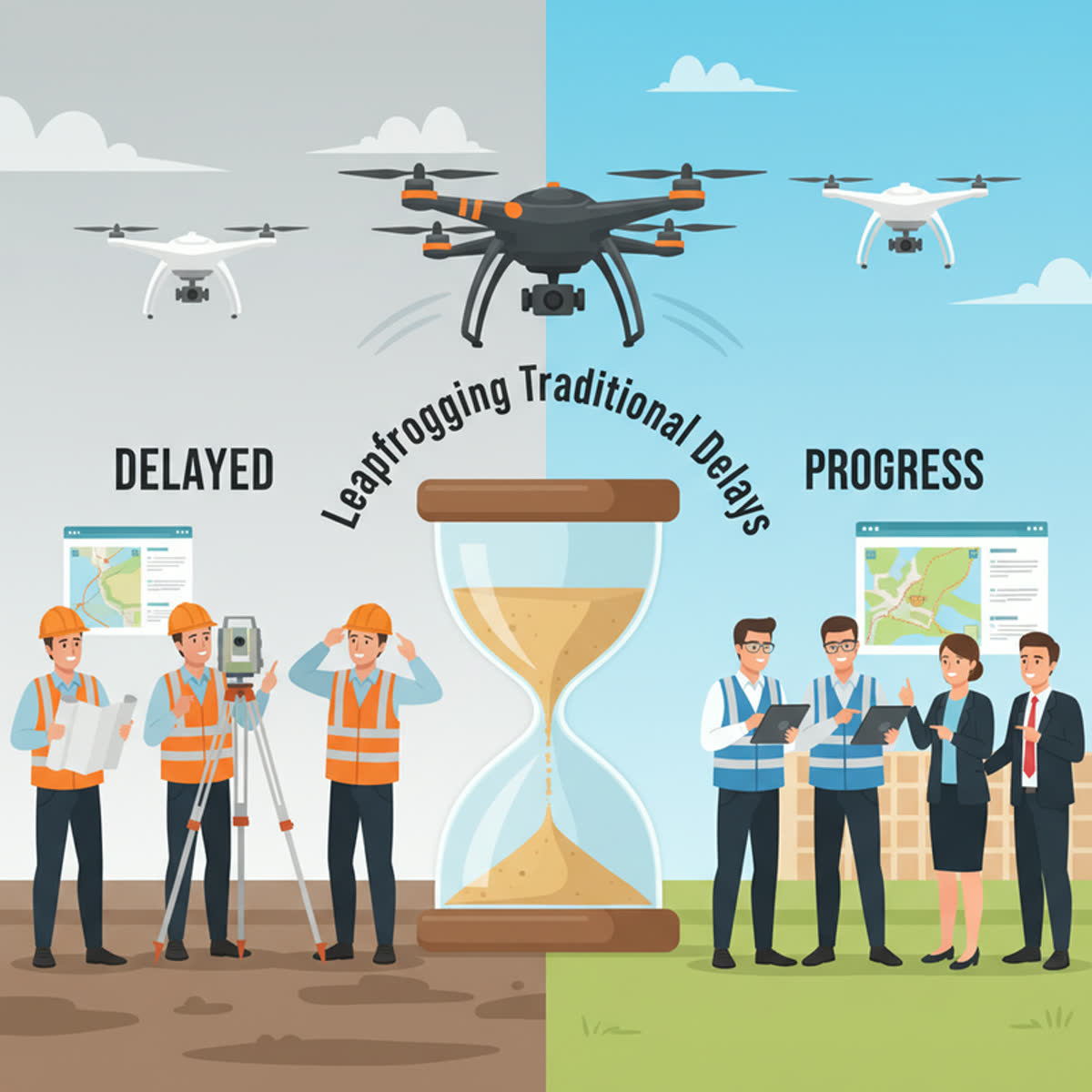
The gap between people who own a drone and people who can legally fly a drone for your business is massive. We see this gap every day. It is the difference between hiring a "cowboy" with a joystick and hiring a professional aviator who understands the law, the risk, and the data.
Why the Part 107 license is the ultimate filter
Most people think the FAA license is just a permit you buy online. It is not. To get that certificate you have to pass a rigorous exam at an FAA testing center. You have to understand sectional charts, weather patterns, radio communications, and the complex rules of the National Airspace System.
Becoming a licensed pilot means you have moved from hobbyist to aviator. You have learned when it is safe to fly and, more importantly, when it is illegal to take off. You understand that the drone in your hand is not a toy — it is an aircraft sharing the sky with helicopters, Cessnas, and commercial airliners.
That scarcity is why professional drone services aren't cheap. You aren't just paying for an hour of flight time. You are paying for the 0.14% expertise that keeps your project legal and your company out of the headlines for the wrong reasons.
The death of the "Wild West" era
In the early days of drones it was the Wild West. People flew wherever they wanted and charged whatever they could get. The FAA was still figuring out how to manage the technology, and enforcement was rare.
Those days are over. We have entered an era of strict FAA enforcement and Remote ID requirements. The FAA is no longer just sending educational letters to people flying illegally — they are handing out serious penalties.
If you hire an unlicensed pilot you aren't just risking their career, you are risking your own bank account. The FAA has the authority to fine the person flying the drone, and also the entity that hired them — fines that can reach $75,000 or more for serious violations. Hiring someone who ignores LAANC authorization or flies over people without the proper waivers is a liability nightmare. If that pilot crashes into a building or a person, your insurance company will look for any reason to deny the claim.
The reality of risk management
When we talk to clients we tell them they aren't just hiring us for the photos. They are hiring us for risk management. A professional pilot knows how to handle a mid-air emergency, how to spot a localized weather cell that could down an aircraft, and how to coordinate with local air traffic control.
Amateurs often turn up with a drone and a memory card. Professionals turn up with a flight plan, a risk assessment, and a certificate of insurance that actually means something because they are operating within the law.
Specialized tools for specialized work
Because licensed pilots are rare, the ones who take the job seriously invest in serious equipment. We don't fly off-the-shelf consumer drones for high-end engineering and municipal work — we fly the Wingtra Ray, a Blue/Green UAS listed aircraft that meets the standards often required for government and sensitive infrastructure projects.
If you are an engineer or a project manager you don't just want a pretty picture of a site. You want CAD-ready data and sub-inch accuracy you can actually design against. Most amateur pilots don't even know what an orthomosaic is, let alone how to deliver one with survey-grade precision.
Why you can't afford an amateur
- 01The re-shoot cost: an amateur flies the site but doesn't understand ground control or proper overlap. The data comes back wavy or inaccurate, and you pay a professional to do it right anyway.
- 02The legal cost: the FAA catches wind of an unauthorized flight near an airport or over a crowd. The fines start at five figures.
- 03The professional cost: you present drone data to a licensed surveyor or engineer and they reject it because the pilot can't produce a flight log or metadata.
- 04The reputation cost: your company is linked to a drone incident that makes the local news. That stain doesn't wash off easily.
What 9 Line brings to the table
When you work with us you aren't just getting someone who knows how to move a joystick. You are getting a veteran-led team that treats every flight like a mission. We focus on high-accuracy aerial mapping and photogrammetry, and we understand the difference between a cool shot and actionable data.
We also handle the compliance headache — LAANC authorizations, airspace coordination, and safety protocols — so you get the data you need without the legal risk hanging over your head.
Don't roll the dice
Drones are amazing tools, but they are only as good as the person operating them. In a world where 99.86% of the population isn't qualified to fly a commercial drone mission, be careful who you trust with your project. The cowboy era is over. The era of precision, compliance, and professional aviation is here.
[ Verify the data ]